We borrow from nature the space upon which we build.
Tadao AndoWe Built A House
From bare land to farm home
-
-
We figured out where we wanted the driveway.
If you take a look at this aerial, you’ll see where we were running the string in the video (which is entertaining). (Thanks to my sister, Megan, for forcing through those briars.)
The red line in the aerial is where we staked our line from survey pin to survey pin so the driveway could be cut in at a minimum of 6′-8′ from that line. That’s where we ran the string.
The first part of our driveway (from the road to the turn) is a shared drive, so it was already built when we bought this place.
In the aerial, it looks like our driveway (which was built to the barn by the time this shot was taken) is on the line. It’s not. Sometimes aerials make things look like they’re farther in one direction than they are depending on where the plane or drone was in the sky when it captured the image. The angle.

You can also see my sister’s house in that aerial. You’ll see a lot of my sister and her children over time because she lives next door. We dreamed about living next to each other when we were young adults (we fought when we were kids), and with building this homestead/farmstead, we are making that dream a reality.
It’s so fun to see her little ones running down her back yard and up our driveway to see us.
“Uncle Frank! Uncle Frank!”
Or to drive by when they’re out on their swing set and have them jump off the swings and run over to hang on the fence and talk to us.
“Aunt Kelly! Aunt Kelly!”
Those little moments will stay with me for life.
Before I go, I’ll share a few more images of what it looked like when we prepped for the driveway.
If you have questions about the cost of improvements like a driveway, I’d be happy to talk to you about those averages here in Central Ohio.

Prepping to run the string. 
My dad helping mark the line.
-
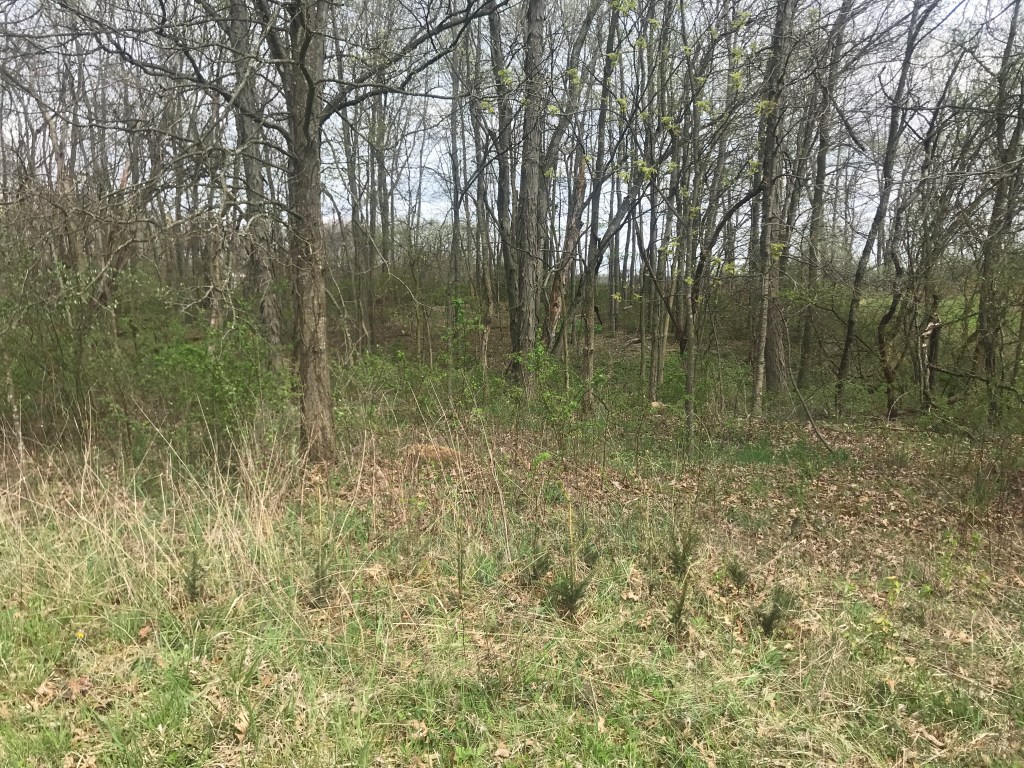
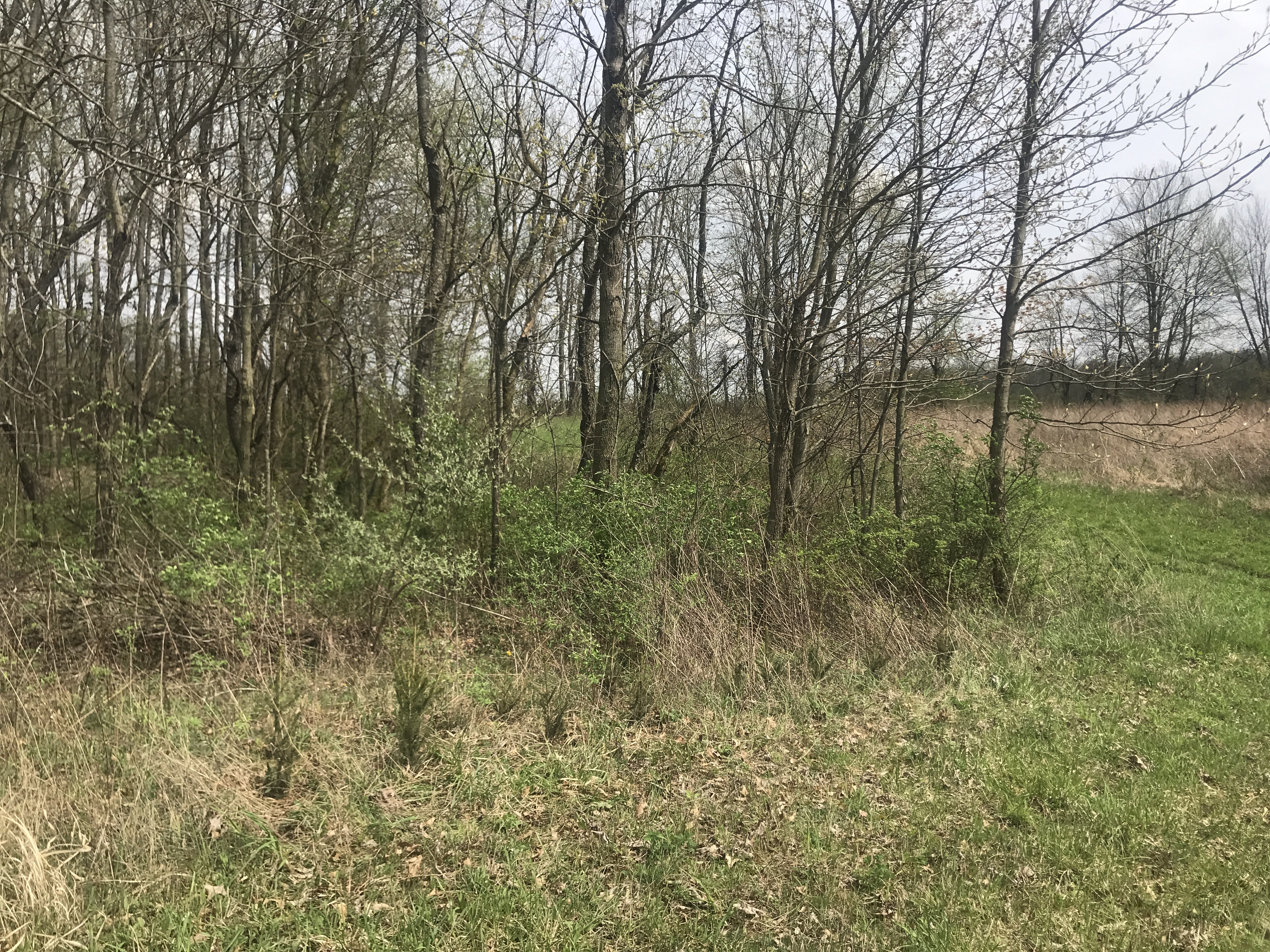
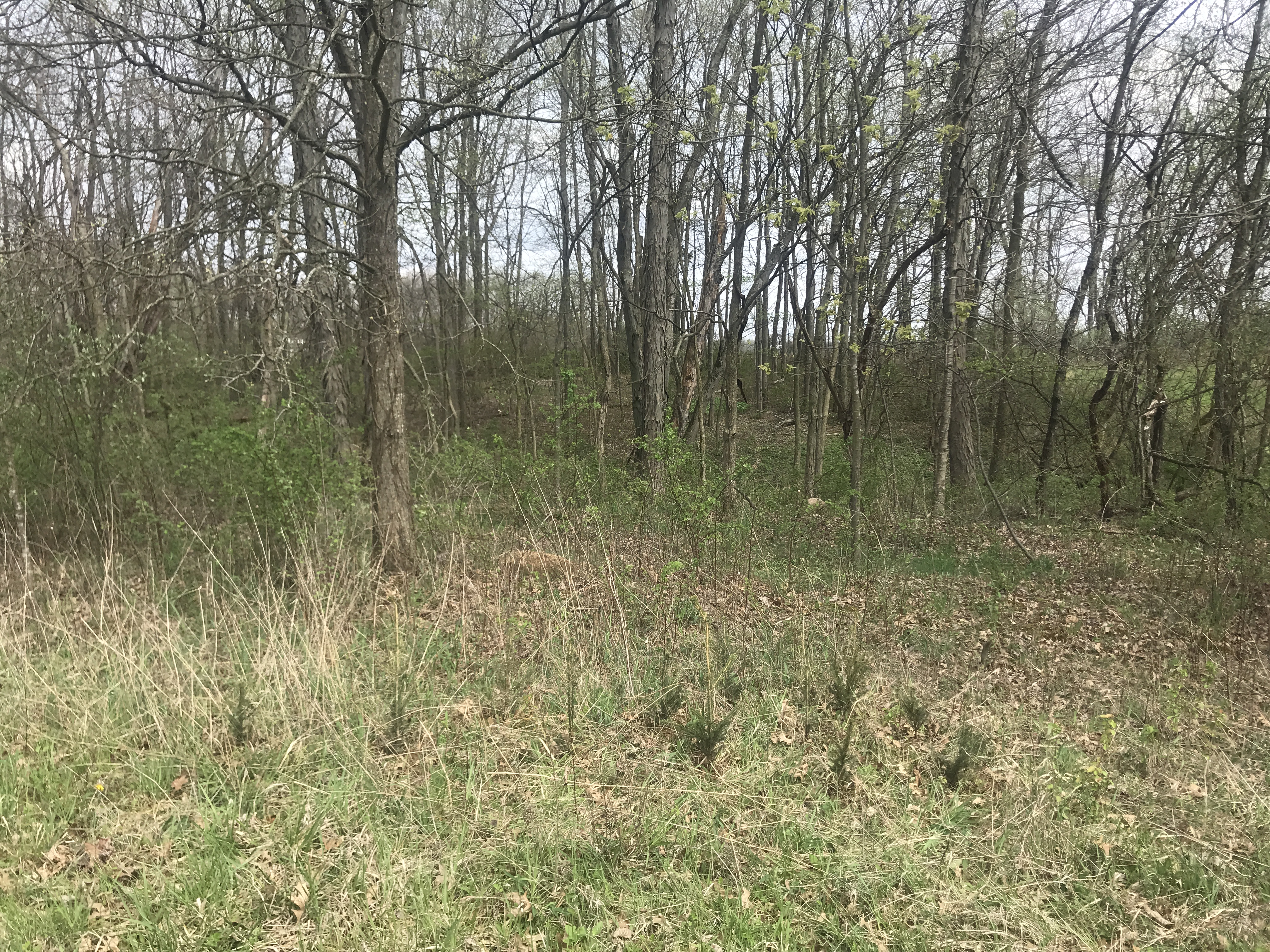
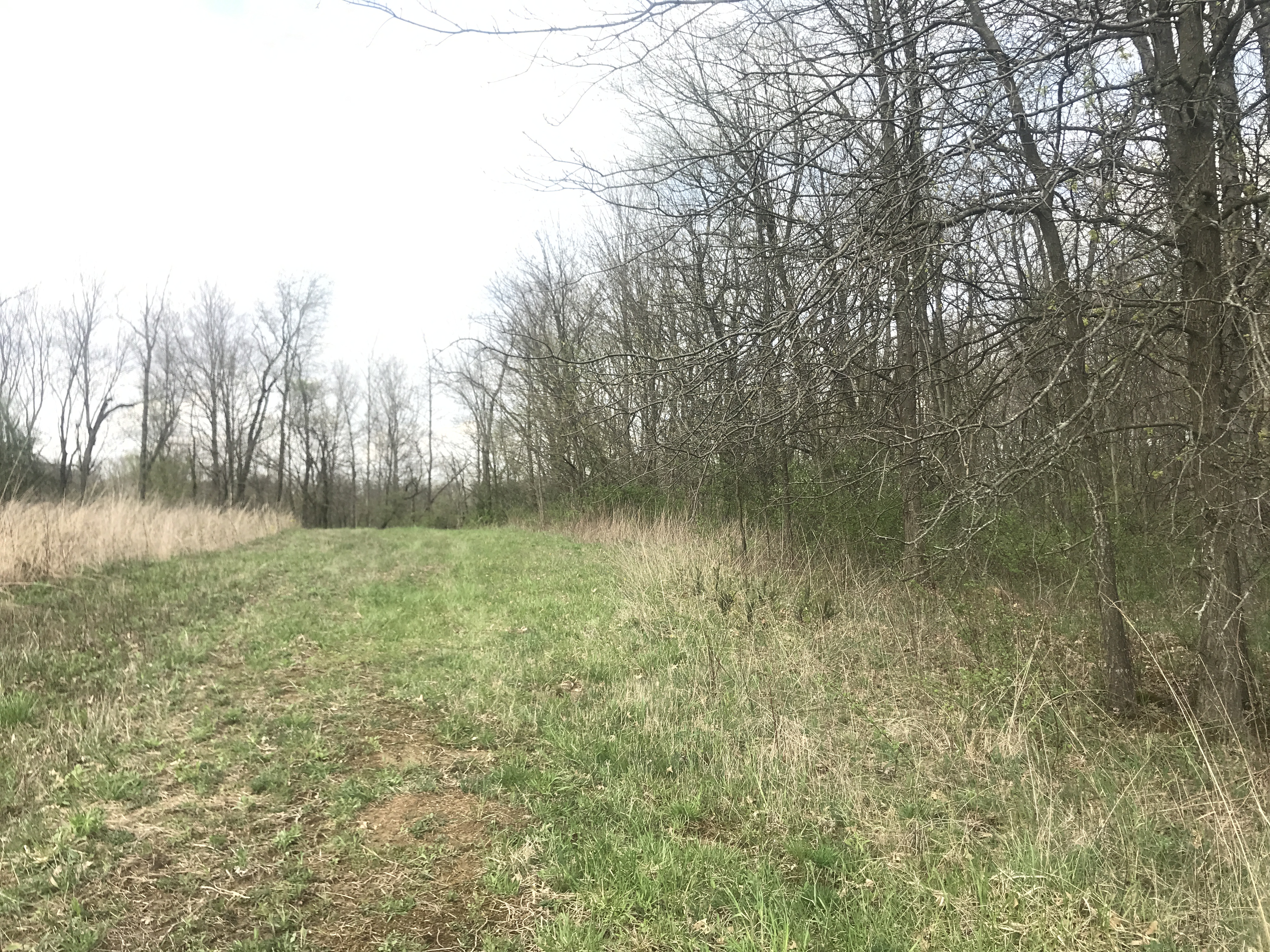


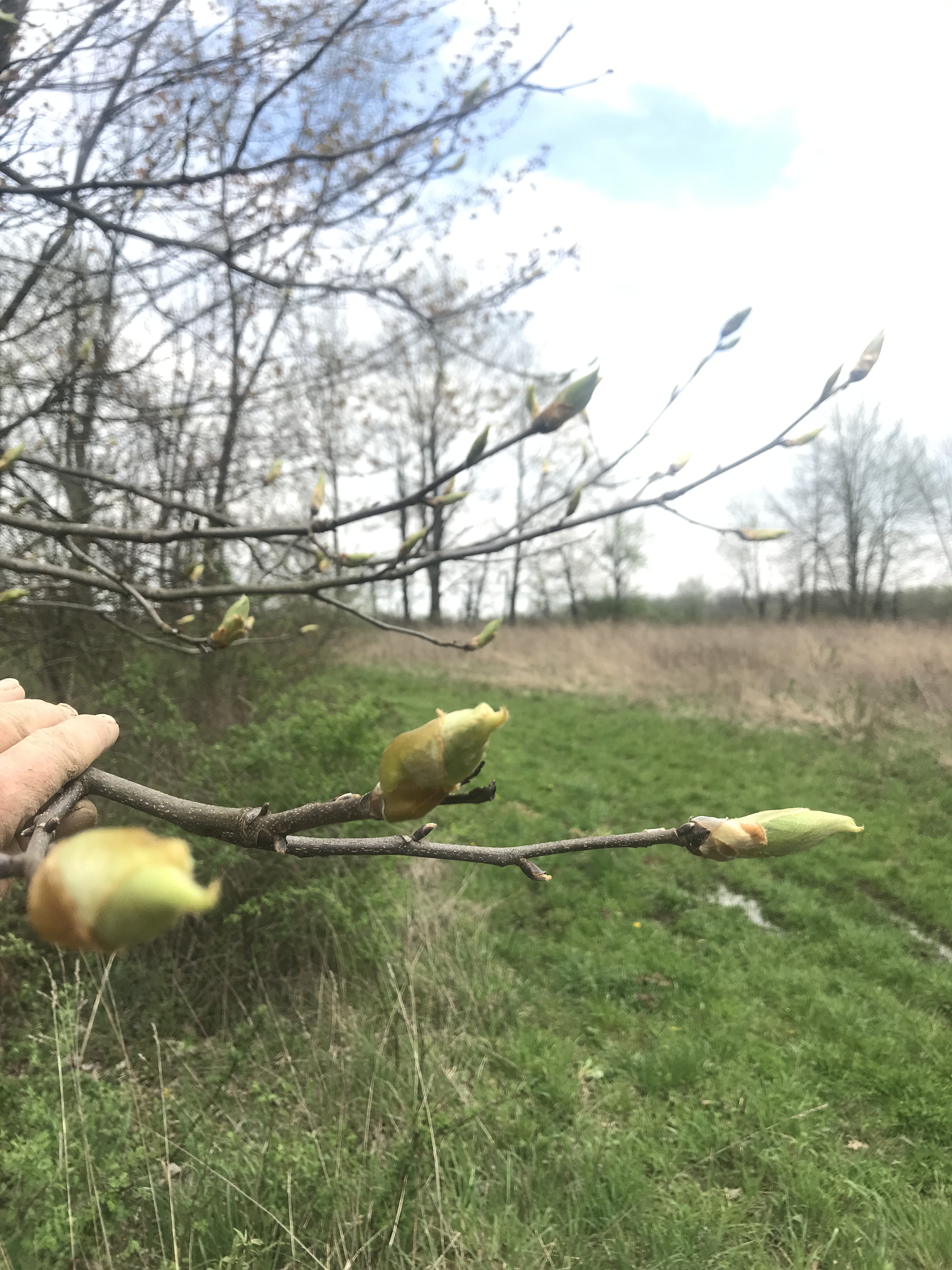
Possibly the most uneventful post ever for those who prefer telenovela drama—which I also do love—but the planting of tiny trees seems a welcome addition to these early posts that include topography and taxes.
Topography, taxes, and tiny trees.
All right here, baby.
(Do you even see them? I planted leftover Kaibab Spruce seedlings from our annual office seedling giveaways in the edge of our woods because I didn’t know where they would be safe during our build… and then I replanted them along the opposite property line when I realized that regrading might land a few feet of dirt on them… and then I replanted them again when our neighbors complained that their future branches might extend across the property line into their space.
All that moving took me from 25 seedlings to about 12 live ones.
I’m ok with that. When I was in Kindergarten, my parents planted about 200 pine seedlings that they paid me ten cents a tree to hand trim around (ugh)—and which Great Grandpa Jones mowed over a couple years later because he couldn’t see well but wanted to help with our lawn.
Two of those pine seedlings lived. Today, they are huge. My brother and his wife now own the property we grew up on, and those lovely trees frame their children’s swing set and play area.
If I get to see any survivors thriving over the years from my initial plantings, I will be happy.
Even though I got the worst poison ivy of my life from planting them. And again while replanting them.
Still worth it.
Look up Kaibab National Forest. One of my favorite places. So even being able to plant a Kaibab Spruce baby here in Ohio makes me a very happy person.
Love.
-

While I’m on the subject of county auditors and how much information you can find if yours offers various aerials, I’ll also mention that the auditor is also where you find real estate tax information.
That’s part of the reason why they’re so interested in documenting your property and any/all of its improvements.
Decide for yourself whether you like that or not, but don’t hesitate to visit your county auditor’s site to see what you or anyone else is paying in real estate taxes.
Don’t do it to be nosey (come on)—just do it if you’re thinking about moving and are trying to understand what kind of real estate taxes you’ll be paying at your new location.
While you’re there, check out the aerial map for possible utility info, contours, and soils.
-
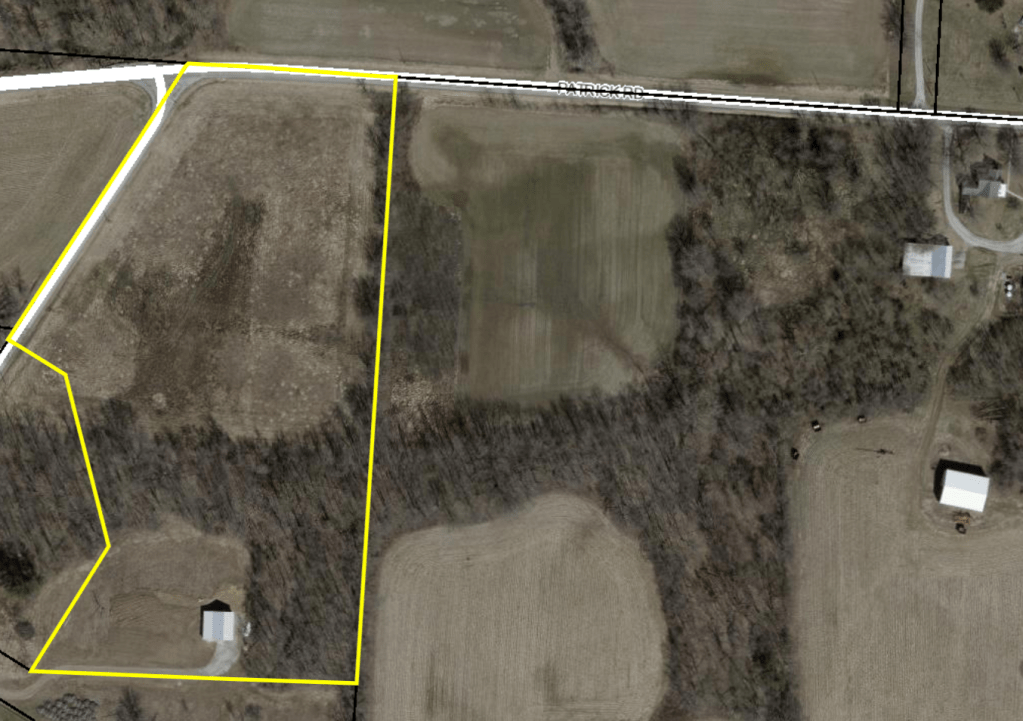
The auditor’s site is my friend: Delaware County Auditor.
See above photo for an example of this.
I don’t know what your county is like, but here in Delaware County, Ohio where we built, we can add “layers” to the aerial of any property on the auditor’s site that show its contours, floodplains, estimated soil types (I still STRONGLY recommend soil testing by a soil scientist before buying any rural lot—I personally would not buy any lot for building without understanding the soils) and more. Most of the counties in Central Ohio offer the same features on their auditors’ sites.
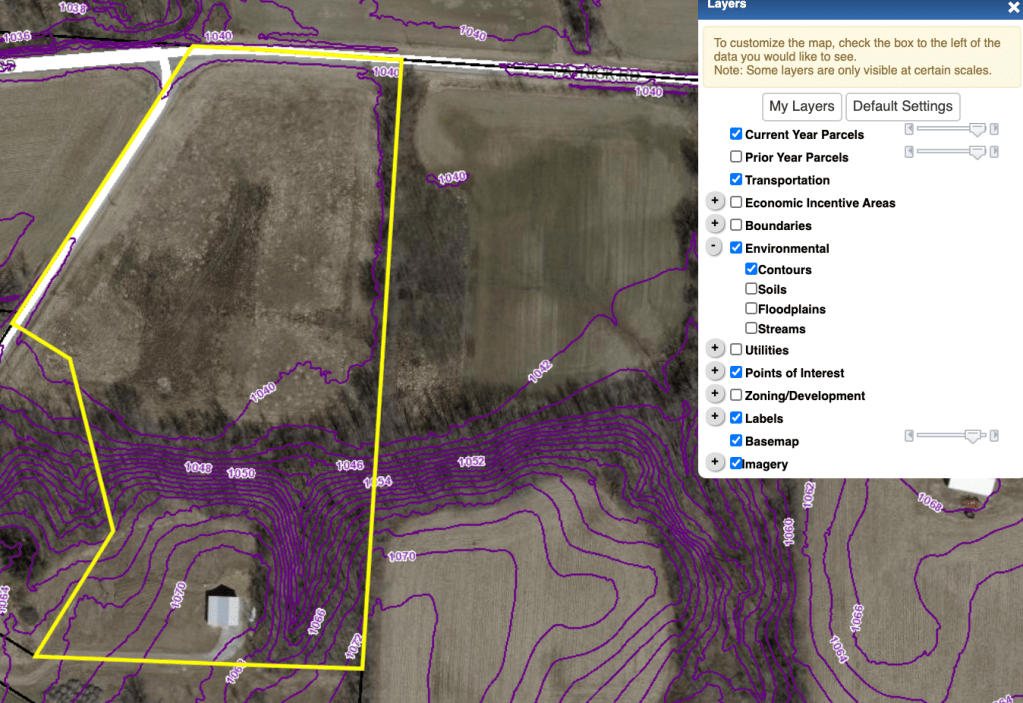
To explain the photo above… the purple lines all indicate a 2′ change in elevation. So where they are all close together in our woods, you can see that the elevation is changing very quickly. We have a ravine that basically cuts in two directions across our property (yellow outline). Which is awesome for us because the ravine is wooded and beautiful—and even though we’re building on the high side of the ravine, the woods still provide a shelter for us to the north. You can see the barn in the aerial… the house will be in the corner of the grassy area behind it, nestled into a nice little pocket with the ravine on two sides.
Here is why we are not building on the low side of the ravine:
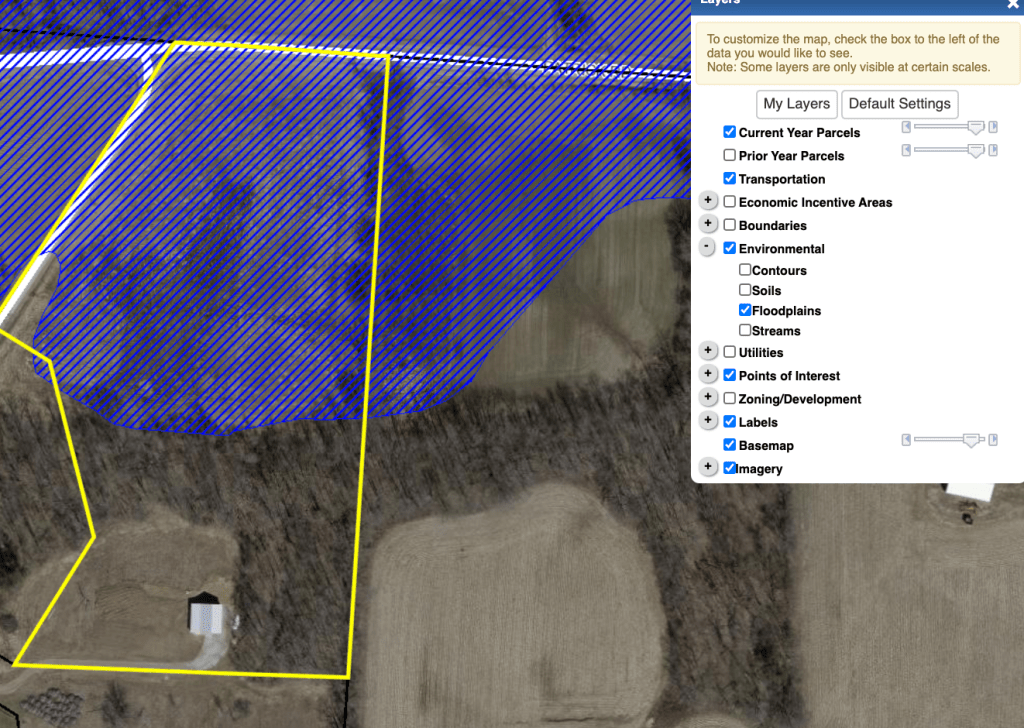
All that blue is a floodplain for the Big Walnut Creek. Again, a screenshot from the Delaware County Auditor. Are they wrong about the floodplain? We have standing water in that lower field in the spring, fall, and winter seasons… so you tell me.
Why do we like this place even with the floodplain?
Because it’s gorgeous. And nature LOVES floodplains. Especially ours, because we have it enrolled in a conservation program which dictates that we cannot mow or farm it outside of their wildlife-friendly specifications.
All we need is a little home site and a paddock. We can get that on the high ground. The rest, we are happy to turn over to wildlife.
Did I know all this when we first acquired our place?
Yes, but not on walking-the-property-for-a-year terms. Not like I know it now. Frank did not know this place, either. I want to explain that I’m speaking in “I’s” more than anything as I write about contours and auditors’ sites because I’m the one who grew up out here in a family of Realtors who study all of the above and walk properties all the time. Frank has his own multiple talents in supply chain (which I cannot fathom), mechanical things (also which I cannot fathom or I would not have used the word “things”), and everything hands-on—whether fixing the chain saw to remove a tree or actually removing the tree. Or fixing our sink. Or his parents’ sink. Or my sister’s car. Or my parents’ rototiller. He’s my husband and hero, and I am not in any way diminishing his role in our home construction by talking about aerial views and walking the property without mentioning him. Many, many mentions of him are on the way in future posts on our building experience.
Plus he’s very handsome and has big muscles. Here he is:
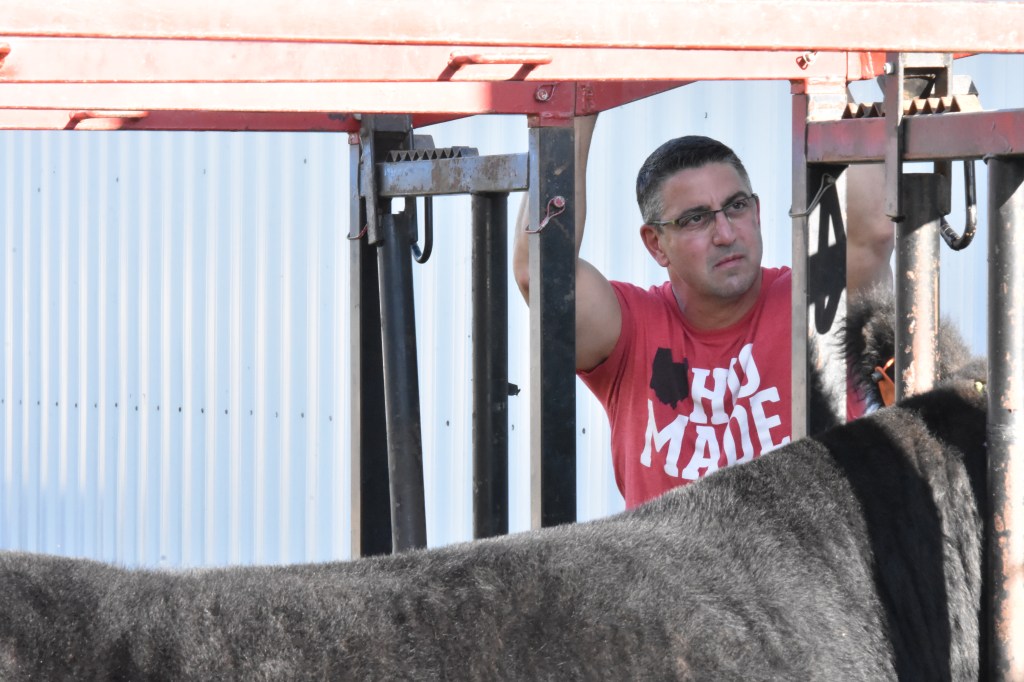
And he never grew up with cattle or dreamed that he wanted them or any kind of farm life, and yet he just dove right in with more enthusiasm and dedication than I ever imagined. (Yes, we have cattle. They are Evangeline’s.) (Frank now says they’re his.)
Heart.
So I think that’s enough for now. If you’re thinking of buying a lot and want to build on it, please check out your auditor’s site and see if you can add “environmental” or “utility” layers or whatever they call them in your county. If anything at all.
Rely on Realtors who know rural lots and can refer custom builders, soil scientists, and so on—and also do your own research. It’s fun. And it helps you get intimate with your future homestead/farmstead/wilderness living adventure.
Know your place. Love your place.
-
We are searching for some kind of harmony between two intangibles: a form which we have not yet designed and a context which we cannot properly describe.
Christopher Alexander -

For more than a year before we started building, I walked the property and daydreamed. And planned.
Where should the driveway go—high side or low side? Does water stand anywhere when it rains? How long are the shadows from the trees to the east?
We knew that we wanted the house in the top corner looking over the ravine so it would wrap around behind us on our east and north sides. The barn was more difficult to place. If we put it on the low side, the driveway would go past it to our house. But that’s also where all the water naturally flowed (downhill). We didn’t want a wet barn. We also didn’t want our driveway washing out. If we put it on the high side, the drive, house, and the barn would all be dry. But how would the driveway get around the barn to the house once we fenced the paddock for our animals? We didn’t want the barn across the driveway from the field; we wanted our animals to be able to run in and out of it.
Here’s an aerial of where we eventually landed the barn.

So as you can see, I ultimately came up with a plan.
The driveway would cut around behind the barn (between the barn and the woods) to the house—so the barn would be in the paddock and we could get around it to our house. In the aerial above, the darker areas are trees and the house would eventually sit in the corner of the field that has woods on two sides.
The house, drive, and barn would all sit on the higher areas of our property.
The grassy (lighter) area above would become our paddock.
Someday there will be an aerial on file in the county auditor’s office that will show where the house currently sits. That takes some time to update, so I have the above aerial of our barn for now.
Anyway, I did ultimately come up with a plan for our driveway.
And some people didn’t like that plan. (Frank liked it.)
That’s one of the tricky things about building—you have to get pretty confident about your decisions because you’re going to receive 4,000 opinions if you let yourself (per day) (sometimes good, sometimes bad). If you are planning to build, I do recommend poring over books and design sites (ideally while owning the property and spending some time on it) so you can get grounded in what you want before you begin.
This is your home—your homestead. Your land, your layout, your outcome. You’ll be the one living there. And for most, it’s the largest investment and asset of your life.
Of course, you know that. I just have to say it again because it’s easy to get pulled into other people’s ideas when you’re creating your home—whether through a Target ad or your mom stopping by. Or even a Realtor like me talking about the importance of resale value. None of that is bad; some is very good. I’m just saying that it can be hard to stay grounded in your own ideas about how you want to experience daily life in your home when you can so easily turn on the TV to a house flipping show or talk to home-building-advisors pretty much every waking second of your days.
So the first reason to spend time carefully siting your home is because it will be YOUR home.
There are other reasons to spend time getting the home site right—and I’ll discuss more of those in the next post.
 We Built A House